In recent years, the beverage industry has witnessed significant growth in the development of water-soluble extracts. These extracts offer enhanced flavor profiles, nutritional benefits, and functional properties. Companies strive to develop water-soluble extracts for beverage applications, appealing to health-conscious consumers.
As consumers become more aware of their choices, the demand for natural and effective ingredients rises. Water-soluble extracts meet these needs. They can be incorporated easily into various beverages, from functional drinks to flavored waters. This shift requires careful consideration of sourcing, extraction methods, and stability.
While innovation is key, challenges exist. Not all extracts are suitable for every beverage type. Formulating impactful flavors without compromising quality can be difficult. Each step deserves attention to ensure safety and efficacy. Therefore, the industry must balance creativity with scientific expertise to succeed.
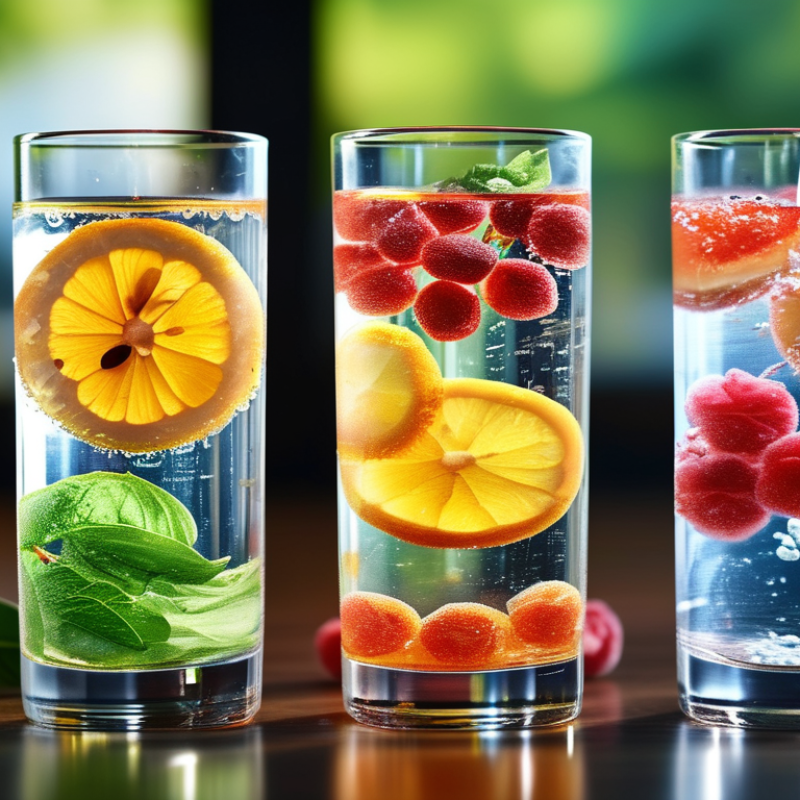
Top Trends in Developing Water Soluble Extracts for Beverages
The beverage industry is witnessing a seismic shift towards water-soluble extracts. These products are transforming how brands approach flavor, health, and sustainability. According to a recent market report, the demand for functional beverages is projected to grow at a CAGR of 8.5% over the next five years. This trend is driven by consumer preferences for convenient and health-oriented options.
Innovative extraction techniques are emerging, allowing manufacturers to enhance the bioavailability of key nutrients. Water-soluble extracts are gaining popularity for their versatility. They facilitate the incorporation of superfoods like turmeric and spirulina into everyday drinks. Yet, this rapid innovation comes with challenges. Achieving stable formulations that retain flavor and efficacy can be complex.
Regulations around safety and quality also play a significant role. Brands must ensure their products meet stringent standards while navigating the evolving landscape. Moreover, the environmental impact of sourcing raw materials cannot be ignored. Sustainable practices are essential for long-term viability. The industry faces a balancing act between meeting consumer demand and adhering to ethical guidelines.
Emerging Technologies in Water Soluble Extraction Methods
The beverage industry is undergoing a significant transformation, particularly in water-soluble extracts. Emerging technologies in extraction methods are reshaping how ingredients are utilized. For instance, recent studies have highlighted that up to 80% of consumers prefer beverages containing natural extracts. As demand grows, innovative extraction methods are essential for maintaining quality and appeal.
One of the notable approaches is supercritical fluid extraction (SFE). This technique uses carbon dioxide under high pressure and temperature to extract flavor compounds. SFE not only preserves the bioactive properties but also enhances the solubility of extracts. Reports indicate that products obtained through SFE have up to 30% higher solubility than traditional methods. However, the high cost of equipment poses a barrier for small manufacturers.
Ultrasonic extraction is another technology gaining traction. This method utilizes high-frequency sound waves to create cavitation bubbles, which improve extraction efficiency. A study found that ultrasonic extraction can reduce processing time by 50%. Yet, the challenge remains in balancing extraction speed and extract integrity. Developing reliable parameters for each ingredient is crucial for optimal results. These advancements reflect a shift towards more sustainable practices in beverage development and indicate a promising future for water-soluble extracts.
Top Trends in Developing Water Soluble Extracts for Beverages
Market Demand and Growth of Water Soluble Beverage Ingredients
The demand for water-soluble beverage ingredients is growing rapidly. Recent data shows that the market for water-soluble extracts is projected to reach $3 billion by 2025. This surge is driven by the increasing preference for health-focused beverages. Consumers are seeking drinks with functional benefits, which often contain these extracts.
Many beverage manufacturers are experimenting with innovative formulations. Common extracts include plant-based ingredients like herbal extracts and fruit flavors. These ingredients offer taste and can enhance health benefits. However, not all water-soluble extracts perform well in terms of flavor stability and solubility. Companies are investing heavily in research to solve these issues.
In response to market trends, the industry is adapting. A shift towards clean label formulations is evident. Consumers want transparency in the ingredients they consume. According to industry experts, a significant percentage of consumers are willing to pay more for products made with natural, water-soluble extracts. Balancing functionality, taste, and consumer preferences is crucial.
Impact of Consumer Preferences on Water Soluble Extract Formulations
Consumer preferences are shifting dramatically, especially regarding beverage choices. Recent studies show that 75% of consumers prefer drinks with natural ingredients. This trend drives the demand for water-soluble extracts that align with health-conscious choices. Experts note that beverages with functional benefits are increasingly appealing. For instance, extracts from fruits and herbs are growing in favor. They provide taste and wellness advantages.
Formulations must adapt to these preferences, creating challenges for manufacturers. The 2022 Beverage Trends Report highlighted that 64% of consumers seek sustainability in product offerings. This has led to the rise of eco-friendly extraction methods. Brands are exploring innovative technologies to enhance solubility while maintaining flavor and nutritional value. However, achieving the perfect balance remains complex.
Moreover, transparency is crucial. Around 70% of consumers want clear labeling and ingredient sourcing information. This demand pushes manufacturers to communicate effectively. They must emphasize quality and safety aspects to build trust. As they refine their formulations, they face the ongoing task of meeting evolving expectations while ensuring products remain appealing and effective.
Regulatory Considerations for Water Soluble Extracts in Beverages
Regulatory considerations play a crucial role in the development of water-soluble extracts for beverages. Companies must navigate complex regulations that vary by region. In the U.S., the FDA has specific guidelines for food and beverage ingredients. Compliance is not just important; it's essential for market entry. Missteps can lead to costly recalls or even bans.
Additionally, labeling requirements must be carefully followed. Consumers need transparency regarding what they are drinking. This includes clear indications of the ingredients and their origins. Not adhering to these rules can result in distrust among consumers. Transparency fosters a positive brand reputation.
The potential health benefits of these extracts also come with scrutiny. Clinical studies often support health claims. However, robust scientific data is necessary for regulatory approval. Some companies may rush to market with claims that lack backing. This can lead to regulatory backlashes. Balancing innovation with compliance remains a pressing challenge in the industry.
Case Studies of Successful Water Soluble Extract Products in the Market
The beverage industry is rapidly evolving with the introduction of water-soluble extracts. These extracts allow for unique flavors and enhanced nutritional profiles. Many companies are exploring plant-based options, focusing on natural sources. Some successful products include functional drinks that blend vitamins and botanical extracts effectively.
In a recent case study, a popular citrus-based drink incorporated water-soluble turmeric extract. This integration not only added appealing color but also provided anti-inflammatory benefits. However, the challenge remains in ensuring the stability of such extracts in various pH levels.
Another case involved herbal teas containing water-soluble ginger extract. The result was a refreshing beverage with a spicy kick. While the initial market response was positive, feedback indicated a need for better clarity on ingredient sources. Brands must prioritize transparency to enhance consumer trust. Balancing innovation and consumer expectations is crucial in this competitive market.
FAQS
: SFE is a method that uses high pressure and temperature carbon dioxide to extract flavors.
Products from SFE show 30% higher solubility than those made with traditional methods.
It uses high-frequency sound waves to create bubbles that improve extraction efficiency.
Yes, balancing extraction speed and integrity is a challenge for manufacturers.
Around 75% of consumers prefer drinks made with natural ingredients for health benefits.
Sustainability influences the choice of eco-friendly extraction methods in formulations.
About 70% of consumers seek clear labeling and ingredient sourcing information for transparency.
Yes, meeting evolving consumer expectations while ensuring effectiveness is complex.
Natural extracts provide taste and wellness benefits that attract health-conscious consumers.
Emphasizing quality and safety is crucial for manufacturers to gain and retain consumer trust.
Conclusion
The development of water-soluble extracts for beverage applications is gaining traction due to emerging technologies that enhance extraction methods. These advancements are shaping market demand and growth for water-soluble beverage ingredients, as consumers increasingly seek convenient and versatile products. Companies are adapting their formulations to align with shifting consumer preferences, incorporating natural flavors and health benefits to meet market needs.
Regulatory considerations also play a crucial role in the development of water-soluble extracts, ensuring safety and compliance for consumers. Notable case studies illustrate the successful implementation of these extracts in various beverages, highlighting their potential to innovate the industry. Overall, the trend towards developing water-soluble extracts is transforming beverage applications, creating new opportunities for manufacturers and appealing to health-conscious consumers.

 Herbpro Biotech