Vitamins rarely fail for one simple reason. Heat, oxygen, light, moisture, pH, and mineral interactions can gradually reduce their potency. A powder may look unchanged while its nutrient content declines. The weak point may be packaging, not the vitamin itself.
To Optimize vitamin stability in food and supplement applications, developers need a practical, evidence-based strategy. This begins with understanding the vitamin’s chemical behavior and the product’s complete manufacturing environment. For example, vitamin C may degrade quickly in oxygen-rich drinks, while fat-soluble vitamins can react differently within oil-based systems. Processing temperature, water activity, storage duration, and container permeability all deserve careful review.
Small details matter. A clear bottle can expose sensitive nutrients to repeated light. A loose seal can allow moisture into a tablet container. These risks should be evaluated through validated analytical testing, including potency checks during real-time and accelerated stability studies. Experienced formulators also compare different forms, carriers, antioxidants, coatings, and packaging materials before making final decisions.
There is no universal formula.
A solution that protects vitamins in capsules may perform poorly in fortified beverages. Product claims should therefore rely on measured data, supplier documentation, and recognized quality standards. Manufacturing records, batch testing, and suitable storage instructions strengthen reliability. Still, stability work is not perfectly predictable. Ingredients vary between suppliers, and laboratory conditions may not fully represent consumer use.
A careful development process accepts this uncertainty. It tests realistic stress points, questions unexpected results, and improves the formula without overstating its performance.
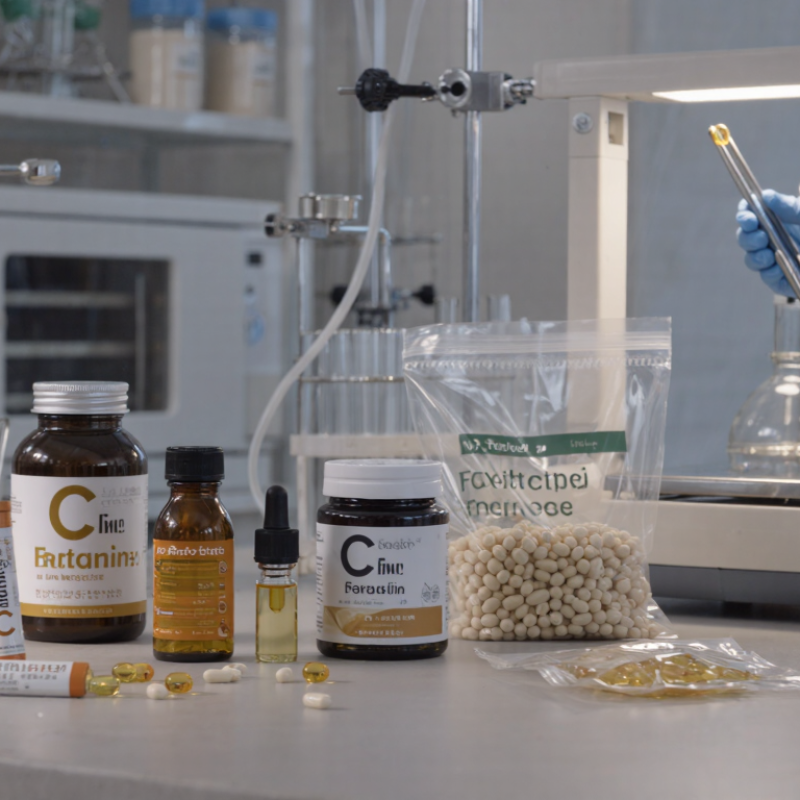
Understanding vitamin stability begins with chemistry, not label claims. Vitamins react differently to oxygen, heat, water, light, pH, and metals. Vitamin C often declines during prolonged heating, while fat-soluble vitamins may face oxidation during storage. The USDA Nutrient Retention Factors, Release 6, reports that cooked vegetables may retain roughly 50–70% of their original vitamin C, depending on the food and cooking method. The number is not universal.
In foods, cut surfaces expose nutrients to air and moisture. A clear pouch on a sunny shelf can quietly accelerate losses. In supplements, humidity may soften tablets and promote degradation. Packaging, headspace oxygen, processing conditions, and overages require validation, not assumption. NIH Office of Dietary Supplements fact sheets identify vitamin C as water-soluble and sensitive to heat. They also describe vitamin A as vulnerable to oxidation. These findings support testing potency at filling, during accelerated storage, and near expiry.
Small details matter. Use low-oxygen processing where appropriate, limit light exposure, and control water activity. However, overages are not a universal fix. They may affect taste, safety margins, or label accuracy. I would question stability claims based on one early test. Real conditions vary. A stronger study follows the actual package, temperature cycles, and consumer opening pattern, using validated analytical methods and defined acceptance limits.
| Vitamin | Primary Stability Concern | Most Sensitive Conditions | Typical Food or Supplement Sources | Relative Stability Risk | Practical Optimization Measures | Storage Guidance |
|---|---|---|---|---|---|---|
| Vitamin A | Oxidation and isomerization of retinol and carotenoids | Oxygen, light, heat, and prolonged storage | Dairy products, eggs, liver, fortified foods, and orange or dark-green vegetables | Medium to high | Limit oxygen exposure, use light-protective packaging, avoid unnecessary heating, and protect oil-based formulations from oxidation. | Store in a cool, dry, dark environment; tightly close containers after use. |
| Vitamin B1 (Thiamine) | Loss during thermal processing and degradation in alkaline conditions | Heat, alkaline pH, sulfites, and extended processing time | Whole grains, legumes, pork, seeds, and fortified cereal products | High during processing | Use shorter heating times, avoid unnecessarily alkaline formulations, and minimize repeated heat exposure. | Keep dry and protected from heat; use moisture-barrier packaging for powders and tablets. |
| Vitamin B2 (Riboflavin) | Photodegradation | Light, especially in transparent containers or clear liquid foods | Milk, eggs, meat, fish, and fortified foods | High under light | Use opaque or amber packaging, reduce exposure to strong light, and protect clear beverages during filling and storage. | Store away from direct sunlight and high-intensity indoor lighting. |
| Vitamin B3 (Niacin) | Generally good stability; some loss may occur during leaching or processing | Water leaching, prolonged heating, and high-moisture processing | Meat, poultry, fish, peanuts, whole grains, and fortified foods | Low to medium | Reduce unnecessary soaking and discard less cooking water when appropriate; control processing time and temperature. | Protect dry products from moisture; normal cool, dry storage is generally suitable. |
| Vitamin B5 (Pantothenic Acid) | Processing and storage losses in some food matrices | Heat, moisture, and prolonged storage | Meat, poultry, mushrooms, legumes, avocado, and whole grains | Medium | Use moderate processing conditions, minimize storage time, and avoid repeated heating cycles. | Keep supplements tightly sealed and protected from heat and humidity. |
| Vitamin B6 | Photodegradation and losses during thermal processing | Light, heat, and long cooking times | Poultry, fish, potatoes, chickpeas, bananas, and fortified foods | Medium | Use light-protective packaging, reduce prolonged heating, and select processing conditions that limit moisture and oxygen exposure. | Store in a cool, dry, dark place and avoid prolonged exposure to open air. |
| Vitamin B7 (Biotin) | Usually relatively stable, but processing and matrix effects can influence retention | Extended heating and aggressive processing | Eggs, nuts, seeds, legumes, fish, and organ meats | Low to medium | Use validated processing conditions and avoid excessive heat or unnecessarily long holding times. | Protect dry formulations from heat and humidity. |
| Vitamin B9 (Folate/Folic Acid) | Oxidation, light sensitivity, and losses from cooking water | Heat, oxygen, light, and water leaching | Leafy greens, legumes, asparagus, liver, and fortified grain products | High during cooking | Use steaming or microwaving instead of prolonged boiling when appropriate; limit exposure to air and light. | Keep supplements sealed, dry, and protected from light. |
| Vitamin B12 | Losses during severe heating and certain processing conditions | High heat, light, and prolonged processing | Meat, fish, eggs, dairy products, and fortified foods | Medium | Use the mildest effective heat treatment, avoid repeated reheating, and protect liquid products from excessive light. | Follow the product’s labeled storage conditions; keep containers closed and away from heat. |
| Vitamin C | Oxidation and degradation during heating or storage | Oxygen, heat, light, metal ions, and water exposure | Citrus fruits, berries, peppers, broccoli, tomatoes, and supplements | High | Minimize oxygen headspace, use rapid processing, reduce cooking time, protect from light, and avoid contact with reactive metal surfaces. | Use airtight, moisture-resistant packaging; store cool and consume promptly after opening. |
| Vitamin D | Oxidation and light-related degradation, particularly in oil-based products | Oxygen, light, heat, and repeated opening | Fatty fish, egg yolks, fortified foods, and supplements | Medium | Protect oil-based formulations from oxygen and light; use suitable antioxidants and minimize headspace where technically appropriate. | Store in a cool, dark place and keep the container tightly closed. |
| Vitamin E | Oxidation of tocopherols | Oxygen, heat, light, and rancid or oxidized oils | Nuts, seeds, vegetable oils, wheat germ, and fortified foods | Medium | Use fresh, well-protected oils, reduce oxygen exposure, select light-resistant packaging, and control storage temperature. | Store away from heat and light; reseal containers immediately after use. |
| Vitamin K | Light sensitivity and oxidation in some formulations | Light, oxygen, and prolonged storage | Leafy green vegetables, broccoli, cabbage, and certain fermented foods | Medium | Use opaque packaging, limit oxygen exposure, and avoid unnecessary prolonged heating. | Store in a cool, dry, dark location in a tightly closed container. |
| General principle: Vitamin retention depends on the specific vitamin, food matrix, processing method, packaging, and storage duration. Validate final nutrient levels with appropriate analytical testing throughout the intended shelf life. | ||||||
Heat, oxygen, water, light, acidity, and metals can reduce vitamin strength. Vitamin C often declines during long heating. Keep hot-hold periods short.
Cooked vegetables may retain roughly 50–70% of their original vitamin C. The result varies with food, temperature, time, and cooking method.
Yes. Cut surfaces contact more air and moisture. Chopped vegetables may lose nutrients faster, especially when left uncovered.
Opaque packaging limits light exposure. High-barrier materials slow oxygen and moisture transfer. Low-headspace filling may also reduce oxidation.
No. Seal quality, liner fit, and repeated opening still matter. A powder can absorb humid kitchen air each day.
Not universally. Overages may affect taste, safety margins, or label accuracy. I would question claims based on one early test.
Keep products away from windows, ovens, and damp shelves. Follow temperature guidance. Refrigeration may help some formulas, but condensation can create problems.
Test potency at filling, during accelerated storage, and near expiry. Include temperature cycles, humidity exposure, and normal package opening. More testing helps, but poor sampling can still mislead.
Vitamin stability is essential for preserving nutritional value, product quality, and consumer confidence in foods and dietary supplements. This article explains how vitamins can degrade when exposed to heat, light, oxygen, moisture, unfavorable pH levels, and extended processing or storage. It also discusses how to identify these risks and select protective ingredients, antioxidants, coatings, carriers, and suitable formulations that help reduce nutrient loss while maintaining product performance.
To optimize vitamin stability in food and supplement applications, manufacturers should carefully control processing temperatures, exposure time, packaging materials, oxygen levels, humidity, and storage conditions. Reliable testing, including potency analysis during production and throughout shelf life, is equally important for confirming that products meet quality targets over time. By combining thoughtful formulation design, protective packaging, controlled handling, and regular stability monitoring, producers can improve vitamin retention and deliver more consistent nutritional products.

 Herbpro Biotech