In the competitive landscape of extract powders, the importance of optimized drying and processing techniques cannot be overstated. Dr. Emily Carter, a leading expert in food science, emphasizes, "Efficient drying processes significantly enhance the quality of extract powders." This insight highlights the critical need for continuous improvement in these areas.
Many industries rely heavily on high-quality extracts. Yet, the challenges of moisture content and processing methods often hinder product quality. Companies must rethink their approaches to ensure they meet both safety and quality standards. Optimizing drying and processing techniques for extract powders can increase yield and maintain the bioactive compounds vital for health benefits.
However, achieving optimal conditions is no easy feat. It requires a combination of scientific understanding and practical application. Innovations in technology and equipment are essential, yet not all solutions are a perfect fit. Companies must continually evaluate their processes to reduce waste and improve efficiency. This ongoing reflection is vital for staying ahead in this dynamic industry.
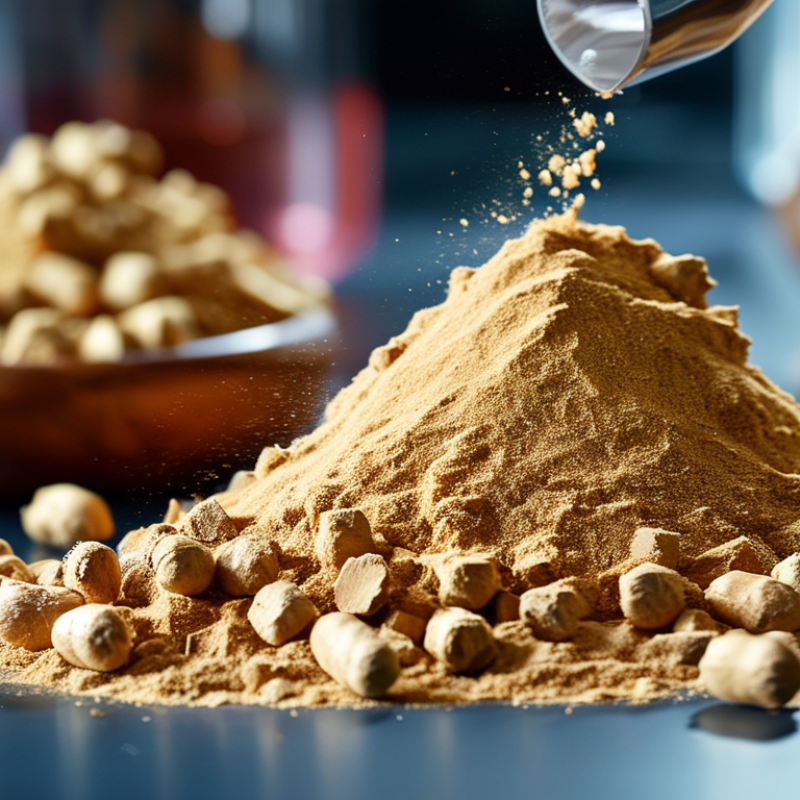
Importance of Efficient Drying Techniques in Extract Powder Production
Efficient drying techniques are crucial in the production of extract powders. According to a recent industry report, up to 80% of the total energy consumption in processing occurs during drying. Therefore, optimizing these techniques can lead to significant energy savings and lower operational costs.
The moisture content in extract powders can impact their quality and shelf life. Studies indicate that inadequate drying can lead to microbial growth, reducing product safety. For example, powders with more than 5% moisture content are at risk. This illustrates the need for precision in the drying process. Maintaining the right humidity levels is essential for preserving flavor and potency.
Innovative drying methods, like spray drying and freeze-drying, evolve continuously. Each method has its pros and cons. For instance, spray drying offers speed but may compromise some heat-sensitive nutrients. Alternatively, freeze-drying can preserve more nutrients and flavors, yet requires higher energy input. These factors necessitate careful consideration and a balance between efficiency and product quality. Investing in research can enhance these processes further, leading to superior outcomes.
Impact of Drying Processes on the Quality and Purity of Extract Powders
The quality and purity of extract powders are greatly affected by drying processes. Different methods like freeze-drying, spray drying, and hot air drying create various outcomes. For instance, freeze-drying preserves flavor and nutrients but can be expensive. In contrast, spray drying is faster but may reduce some delicate compounds. Each technique has its pros and cons, requiring careful consideration based on the desired product attributes.
Optimizing drying techniques is critical. Improper temperatures or time can lead to the degradation of sensitive compounds. A study in herbal extracts showed that high temperatures could cause significant loss of active ingredients. This is a clear indicator that monitoring is crucial. Additionally, the moisture content must be balanced. Too much moisture can lead to mold growth, while too little may compromise the extract's efficacy.
While advancements have been made, challenges remain. Achieving the ideal moisture level without sacrificing quality is tricky. Moreover, consistency in batch processing is often hard to maintain. These factors highlight the importance of continuous research and adaptation in drying processes, ensuring that extract powders meet the highest standards of quality and purity.
Impact of Drying Processes on the Quality and Purity of Extract Powders
Innovative Processing Techniques to Enhance Extract Powder Yields
In the extraction industry, optimizing drying and processing techniques for extract powders is crucial. According to a recent report by the International Journal of Food Science, proper processing can increase yields by up to 30%. Innovative techniques such as vacuum drying and freeze-drying are becoming popular. These methods preserve the bioactive compounds in extract powders, which can improve quality significantly.
Another vital factor is the temperature control during drying. High temperatures can degrade sensitive compounds, leading to a loss of potency. Research indicates that maintaining lower temperatures can enhance the extract's effectiveness while boosting yields. However, not all facilities are equipped for such innovations. This gap presents a challenge for many processors who may struggle with outdated practices that hinder performance.
Additionally, some companies may overlook the importance of moisture content. Studies point to an optimal moisture level of around 5% for stability. Deviating from this can result in clumping and loss of functional properties. Continuous improvement in processing techniques is necessary for achieving high-quality extract powders. Adopting a more analytical approach can help address these shortcomings and foster better outcomes.
Cost-Benefit Analysis: Optimizing Drying and Processing Methods
Optimizing drying and processing methods can significantly reduce production costs. When manufacturers streamline these techniques, they often find that they can minimize waste. This leads to higher yields and better quality extracts. Traditional methods may seem effective but often lack efficiency. Upgrading technologies can help businesses stay competitive.
Incorporating advanced drying methods improves extraction rates. For example, using lower temperatures can preserve delicate compounds. However, the initial investment for better equipment might deter some companies. A careful cost-benefit analysis is essential to determine if the long-term savings are worth the risk. Each company must weigh potential benefits against upfront costs.
It is important to remain flexible and adaptive. Regularly evaluating processing techniques can lead to unexpected insights. Sometimes, the familiar methods are not the best. Companies may discover new techniques in research or competitor analysis. Embracing change, even when it feels uncomfortable, can drive innovation and efficiency.
Industry Standards and Best Practices for Extract Powder Processing
Extract powder processing involves careful attention to detail. High-quality extracts depend on optimized drying and processing techniques. These practices ensure the preservation of active compounds and enhance powder solubility. Proper techniques can also improve flavor and aroma, making extracts more appealing.
Adhering to industry standards is crucial. These standards outline acceptable moisture levels, particle size distribution, and contaminant limits. Meeting these criteria reduces batch variability. However, it’s not always easy. Many processors struggle with inconsistencies. Poorly executed drying can lead to clumping and loss of potency. Reflecting on these challenges can lead to improvements.
Best practices in extract powder processing include regular equipment maintenance and staff training. Technology plays a significant role. Advanced drying technologies can provide better control over temperature and humidity. Yet, not all facilities implement these innovations effectively. Continuous evaluation of processing methods is necessary for maintaining reliability and quality in extract powders.
FAQS
: Efficient drying techniques can save up to 80% of energy used in processing. This leads to lower costs.
High moisture can lead to microbial growth, reducing product safety and quality. Keeping it under 5% is critical.
Spray drying and freeze-drying are popular. Each has benefits and drawbacks affecting nutrient retention.
High temperatures can degrade sensitive compounds, leading to a significant loss of active ingredients. Monitoring is essential.
Proper humidity preserves flavor and potency, while too much moisture could cause mold. Finding balance is challenging.
Achieving the ideal moisture level without impacting quality is difficult. Consistency in batch processing is not always guaranteed.
Conclusion
The optimization of drying and processing techniques for extract powders is crucial for achieving high-quality products that meet industry standards. Efficient drying methods effectively reduce moisture content, thereby preserving the integrity and purity of extracts while enhancing the overall powder yield. By implementing innovative processing techniques, manufacturers can maximize production efficiency and minimize waste, leading to significant cost advantages.
Furthermore, a thorough cost-benefit analysis reveals that optimizing these techniques not only improves product quality but also supports sustainable practices in the industry. As such, adhering to best practices in extract powder processing is essential for companies aiming to stay competitive while ensuring the delivery of superior products. Emphasizing the optimization of drying and processing techniques for extract powders will ultimately drive advancements in this sector.

 Herbpro Biotech