China Best Mushroom Extract Powders for Innovative Formulas

Time:2026-09-07 Author:Oliver
0%

China’s mushroom extract powder industry is changing how formulators approach functional foods, beverages, and supplement concepts. The best products are not chosen by price alone. They require identity testing, controlled extraction, stable specifications, and responsible sourcing.

This guide explores how to Create innovative formulas with mushroom extract powders from reputable Chinese suppliers. We examine reishi, lion’s mane, cordyceps, chaga, and shiitake extracts. Each mushroom offers different compounds, flavors, colors, and formulation challenges. A fine reishi powder may blend well in capsules. However, its bitterness can dominate a ready-to-drink coffee. Lion’s mane may suit a powdered stick pack, but its aroma needs careful masking.

Experienced formulators usually review extraction ratios, beta-glucan testing, moisture levels, heavy-metal reports, microbiological results, and allergen controls. They also request traceable documentation before approving a batch. These details matter when a pale beige powder enters a clear beverage. Small changes in color or sediment can affect consumer trust.

Mycologist Paul Stamets has described mushrooms as “miniature pharmaceutical factories, with an infinite number of novel chemical constituents.” His observation encourages curiosity, but it should not replace evidence. Not every extract performs equally. Some claims remain incomplete, and certain blends need more human research. That uncertainty deserves honest attention.

The following outline compares leading Chinese mushroom extract powders, practical formulation uses, quality indicators, and supplier questions. It focuses on realistic development decisions rather than exaggerated promises. The strongest formula may still need refinement. That is part of responsible innovation.
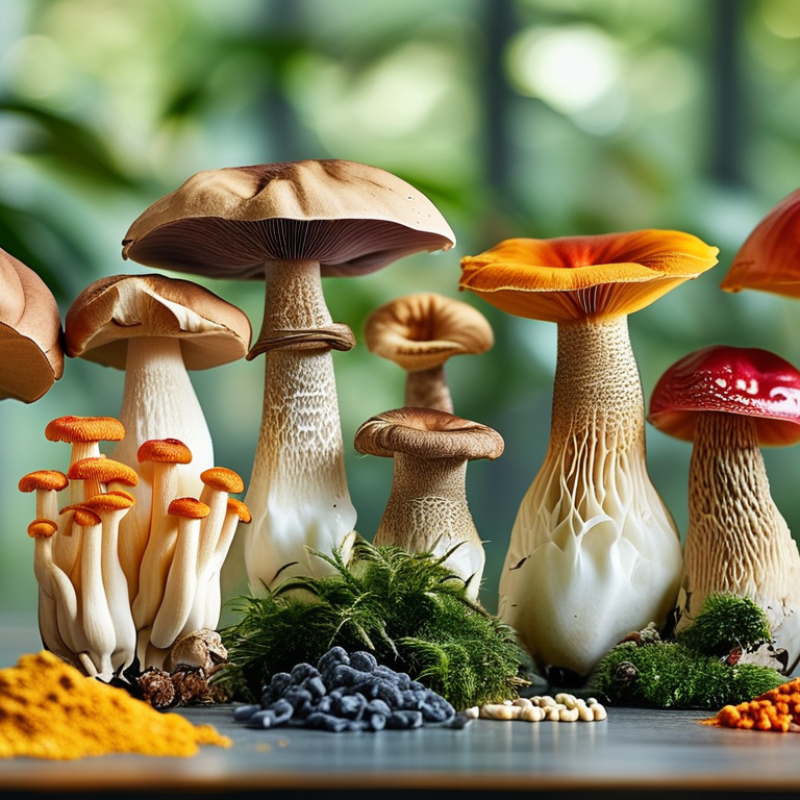
China Best Mushroom Extract Powders for Innovative Formulas

What Are Mushroom Extract Powders and Why Do They Matter?

Mushroom extract powders are concentrated ingredients made by processing cultivated or wild-harvested mushrooms. Manufacturers usually use hot water, alcohol, or both to release selected compounds. The liquid is then filtered, concentrated, and spray-dried into a stable powder. This differs from ordinary mushroom powder, which contains the whole dried mushroom and often has a milder concentration.

Why do they matter?

Formulators can use extracts to create capsules, drink mixes, nutrition bars, and functional foods with more consistent specifications. A useful extract should identify the mushroom species, extraction method, ratio, moisture level, and marker compounds.

Beta-glucan testing can support quality assessment, but it should not replace identity testing. Numbers alone can mislead.

In practical formulation work, I look closely at solubility, flavor, color, and batch consistency. A powder that performs well in a laboratory may clump in a warm beverage. It may also add bitterness or sediment. Small trials reveal these problems early.

China has extensive mushroom cultivation and processing capacity, yet supplier quality can vary significantly. Reliable evaluation requires authenticated raw materials, microbial testing, heavy metal screening, and documented production controls. Independent laboratory results are valuable, although even a single report cannot prove permanent consistency. Some specifications seem impressive but lack clear testing methods. That deserves a second question.

Key Mushroom Species Used in Functional Formulas

China Best Mushroom Extract Powders for Innovative Formulas

Key Mushroom Species Used in Functional Formulas

Reishi is widely selected for its bitter profile and traditional use in balanced wellness formulas. Its dark extract can deepen powders, capsules, and evening drink blends. Lion’s mane offers a milder taste and works well in cognitive-support concepts. Fine milling helps it disperse more evenly in warm beverages. Still, flavor control matters. A strong mushroom note can limit consumer acceptance.

Cordyceps is often used in active-lifestyle formulas, especially powdered drink mixes and daily sachets. Its earthy character pairs with cocoa, coffee, and selected botanical flavors. Turkey tail brings distinctive polysaccharide content and supports formulas focused on immune health. However, the final specification should identify extraction methods and measurable compounds. “Mushroom powder” alone says too little.

Shiitake and maitake provide familiar culinary recognition, which can make functional products feel less intimidating. Chaga is commonly considered for antioxidant-themed blends, but its mineral profile requires careful quality review. Reliable sourcing should include species authentication, moisture testing, microbial analysis, and screening for heavy metals. The best extract depends on the formula, not popularity. I have found that simpler blends are often easier to validate, though they may appear less innovative. Extraction ratios, carrier materials, and solubility can change the finished product substantially. Small bench trials remain essential. Some ideas fail there.

Extraction Methods and Their Impact on Active Compounds

China Best Mushroom Extract Powders for Innovative Formulas

Extraction Methods and Their Impact on Active Compounds

Mushroom extract quality begins with the solvent, temperature, and extraction time. Hot-water extraction is widely used for beta-glucans, which support the structural identity of many medicinal mushrooms. A 2023 review in Foods reported that beta-glucan levels vary substantially by species and processing conditions. The number is not universal.

Ethanol or hydroalcoholic extraction can better recover triterpenes and other less water-soluble compounds. These compounds are often important in reishi-based formulas. However, stronger solvent systems may increase unwanted residues or reduce heat-sensitive constituents. A 2024 report from Grand View Research estimated continued double-digit growth in the functional mushroom market, yet market growth does not prove extract effectiveness. Testing still matters.

Manufacturers should request beta-glucan results, moisture data, solvent information, and heavy-metal testing. The AOAC method for beta-glucan analysis can improve comparability between suppliers. Ultrasound-assisted extraction may shorten processing time, but it can also change molecular structure. I have seen formulas focus on a high extract ratio while ignoring measurable actives. That is a weak shortcut.

Clean labeling helps. Specific testing helps more.

China Best Mushroom Extract Powders for Innovative Formulas - Extraction Methods and Their Impact on Active Compounds

Mushroom Species Primary Raw Material Preferred Extraction Method Key Active Compounds Effect of Extraction on Actives Best Formula Applications Quality-Control Markers
Ganoderma lingzhi
Reishi
Fruiting body or cultivated mycelium Hot-water extraction; hydroalcoholic extraction for triterpenes β-glucans, ganoderic acids, other triterpenoids, polysaccharides Water favors high-molecular-weight polysaccharides and β-glucans. Alcohol or hydroalcoholic processing improves recovery of less-polar triterpenoids. Functional beverages, capsules, stress-support blends and immune-health formulas Total β-glucans, polysaccharide profile, triterpenoid fingerprint, moisture and microbial limits
Hericium erinaceus
Lion’s Mane
Fruiting body; mycelium may have a different compound profile Hot-water extraction for polysaccharides; ethanol or hydroalcoholic extraction for erinacines and related small molecules β-glucans, hericenones, erinacines, phenolic compounds Water extraction supports polysaccharide recovery. Erinacines are primarily associated with mycelium, while hericenones are mainly associated with the fruiting body and require separate analytical verification. Powdered drinks, cognitive-wellness blends, nutrition bars and nootropic-style formulations β-glucans, species identity, erinacine or hericenone fingerprint, raw-material origin and contaminants
Inonotus obliquus
Chaga
Sterile conk Hot-water extraction; hydroalcoholic extraction for broader polyphenol and triterpenoid recovery β-glucans, polyphenols, melanins, betulin and betulinic acid Hot water extracts hydrophilic polysaccharides and some phenolics. Alcohol can increase extraction of less-polar triterpenes; composition varies with the host tree and harvest conditions. Tea powders, antioxidant-positioned beverages and dark-colored wellness blends β-glucans, total polyphenols, triterpenoid profile, ash, heavy metals and botanical authenticity
Cordyceps militaris
Cultivated Cordyceps
Cultivated fruiting body or mycelial biomass Hot-water extraction; hydroalcoholic extraction for a wider small-molecule profile Cordycepin, adenosine, polysaccharides, mannitol and sterols Water efficiently extracts polar compounds such as nucleosides and polysaccharides. Solvent choice, temperature and exposure time can influence cordycepin stability and recovery. Sports-nutrition blends, energy drinks, capsules and adaptogenic formulas Cordycepin, adenosine, β-glucans, species authentication and solvent-residue testing
Grifola frondosa
Maitake
Fruiting body or mycelium Hot-water extraction; enzyme-assisted processing may improve release of cell-wall polysaccharides β-glucans, proteoglycans, polysaccharides, ergosterol Heat and water improve solubilization of polysaccharides. Excessive heat or prolonged processing can alter molecular weight and reduce consistency of the polysaccharide profile. Immune-support powders, soups, sachets and savory functional-food applications Total and β-glucan content, molecular-weight distribution, protein-to-polysaccharide ratio and microbial limits
Lentinula edodes
Shiitake
Fruiting body Hot-water extraction for lentinan and other polysaccharides; controlled drying helps preserve heat-sensitive nutrients Lentinan, β-glucans, eritadenine, ergothioneine and phenolic compounds Water favors lentinan and other soluble polysaccharides. Ergothioneine is water-soluble, while excessive thermal exposure may reduce the retention of some nutrients. Food fortification, savory drink mixes, capsules and antioxidant-oriented formulas β-glucans, lentinan-related polysaccharide profile, ergothioneine, moisture and heavy metals

Note: Active-compound levels depend on species, strain, cultivation substrate, fruiting-body or mycelial material, extraction conditions, concentration ratio and storage. Product specifications should be confirmed by validated analytical testing.

How to Use Mushroom Extract Powders in Innovative Formulas

China Best Mushroom Extract Powders for Innovative Formulas

Mushroom extract powders can bring earthy flavor, soluble beta-glucans, and a stronger product story to functional formulas. Start with the formula’s purpose, not the ingredient trend. A beverage may need a fine, hot-water extract that disperses quickly. A capsule can tolerate a denser powder with a higher active-compound specification.

Grand View Research estimates the global functional mushroom market will expand at about 9.5% annually through 2030. FAO data also shows global mushroom and truffle production has reached more than 12 million tonnes yearly. These figures suggest growing supply, but they do not prove every extract has equal value. That distinction matters.

Ask suppliers for species identification, extraction method, beta-glucan content, moisture, microbial results, and heavy-metal testing. Fruiting-body and mycelium materials may show different nutritional profiles. Do not compare them by weight alone. A 10:1 extraction ratio sounds impressive, yet it does not confirm potency. I have seen formulas become gritty when powders are added late. Pre-blending with a carrier can improve texture, but it may reduce the clean-label appeal.

Use small pilot batches. Test flavor after heating, storage, and pH adjustment. Avoid disease-treatment claims unless authorized by local regulations. The weak point is often not the mushroom itself, but poor verification. A transparent certificate of analysis remains more useful than a dramatic marketing promise.

China Best Mushroom Extract Powders for Innovative Formulas

How to use mushroom extract powders in innovative formulas: the chart presents practical daily formulation ranges commonly used for powdered extracts, expressed in grams per serving. Final use levels should be adjusted according to extract ratio, standardization, product format, and applicable regulations.

These ranges can support concept development for capsules, drink mixes, functional beverages, and powdered blends. Always verify supplier specifications and calculate the equivalent raw-material amount when using concentrated extracts.

Quality Standards, Safety Factors, and Product Selection

China’s mushroom extract powders can support innovative formulas, but quality begins with verifiable evidence, not attractive packaging. Ask for a current certificate of analysis from an independent laboratory. It should confirm species identity, extraction ratio, moisture, microbial limits, heavy metals, pesticides, and residual solvents. Beta-glucan content also matters, although testing methods can produce different results. Compare methods carefully.

Safety requires more than a clean laboratory report. Review allergen statements, excipient lists, and storage conditions before approving a powder. A water extract may suit beverages, while a dual extract can create different solubility and stability challenges. Check whether the material comes from fruiting bodies, mycelium, or both. Traceable cultivation records add confidence. Still, no test panel is perfect. I would treat vague specifications as a reason to pause, not as proof of danger.

Tips: Request batch-specific documents, not generic sales sheets. Confirm the laboratory’s accreditation and test dates. Perform a small pilot blend to observe sediment, flavor, color, and moisture changes. Keep realistic dosage language and avoid unsupported health promises. Product selection should also consider local food regulations, intended users, and interactions with the complete formula. A powder that performs well alone may behave poorly after minerals, acids, or sweeteners are added. That practical check is easy to skip.

FAQS

: Which mushroom species suit functional formulas?

: Reishi suits bitter, evening-focused blends. Lion’s mane offers a milder taste for cognitive-support concepts. Cordyceps fits active-lifestyle drink mixes. Shiitake and maitake feel familiar because they are common culinary mushrooms.

How does flavor affect product acceptance?

A strong mushroom note may reduce consumer acceptance. Reishi can darken powders and drinks noticeably. Cordyceps pairs better with cocoa, coffee, and selected botanical flavors. Flavor control remains essential.

What should a mushroom extract specification include?

“Mushroom powder” is too vague. The specification should name the species and extraction method. It should also list measurable compounds, moisture, and microbial results. Extraction ratio alone proves little.

Which extraction method supports beta-glucan-focused formulas?

Hot-water extraction is commonly used for beta-glucans. Levels vary between species and processing conditions. The same extraction ratio may produce different results. The number is not universal.

When are ethanol or hydroalcoholic methods considered?

These methods can recover triterpenes and other less water-soluble compounds. They are often considered for reishi-based formulas. Residual solvent testing remains important. Stronger extraction is not automatically better.

What quality tests should buyers request?

Request species authentication, moisture testing, and microbial analysis. Heavy-metal screening is also important. Ask for beta-glucan results and solvent information. Testing should support the finished specification.

Why do carrier materials and solubility matter?

Carrier materials can change taste, texture, and powder flow. Solubility affects dispersion in warm beverages. Fine milling may improve distribution. Small bench trials remain essential.

Is a high extract ratio enough to prove quality?

No. A high ratio may hide low measurable active content. Extraction conditions can change the final composition. Simple blends are often easier to validate, though they may look less innovative. Some ideas fail during testing. That is useful.

Conclusion

Mushroom extract powders are concentrated ingredients made from functional fungi, designed to deliver key compounds in a convenient and versatile form. Species such as reishi, lion’s mane, cordyceps, chaga, and turkey tail are commonly explored for their unique profiles, including beta-glucans, triterpenes, antioxidants, and other naturally occurring components. The extraction method matters: hot-water, alcohol, or dual extraction can influence which active compounds are available and how effectively they perform in a formula.

Create innovative formulas with mushroom extract powders by incorporating them into beverages, capsules, nutrition blends, functional foods, or wellness-focused products. Successful development requires attention to flavor, solubility, dosage, stability, and compatibility with other ingredients. Buyers should also evaluate species identification, extraction ratios, beta-glucan content, contaminant testing, allergen controls, traceability, and manufacturing quality standards. Choosing well-characterized, safely produced powders helps support consistent formulations and reliable product quality.

Oliver

Oliver

Oliver is a seasoned marketing professional with a wealth of expertise in driving brand awareness and engagement. With a deep understanding of our company's product offerings, he consistently delivers high-quality content that enriches our professional blog. His insights not only shed light on......